By Australian Psychological Society
Why we sabotage love
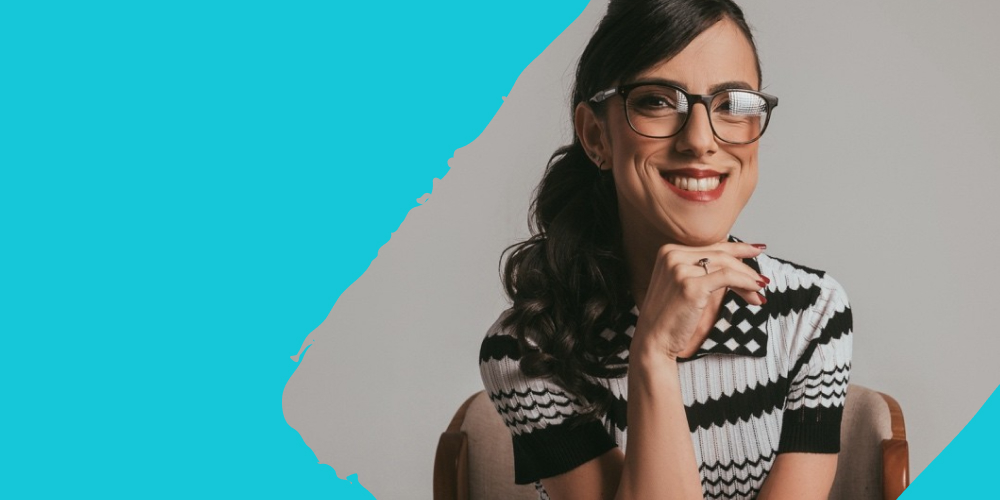
Dr Raquel Peel MAPS – Head of Course (Domestic and Family Violence) Central Queensland University and the recipient of the APS Media Award for Public Engagement with Psychological Science (2025) – brings a decade of leadership in higher education. Most of it has been spent coordinating honours-level and postgraduate programs in psychology, public health, and social sciences. Her research has drawn worldwide attention and award-winning recognition, establishing her as an internationally respected expert in relationships, with her research adopted by practitioners and educators worldwide.
Dr Raquel Peel MAPS explains the psychology of relationship self-sabotage
In 2018, I stood on a TEDx stage and told a room full of strangers that I was a recovering relationship self-saboteur. For years I had used a self-defeating attitude and behaviours to protect myself from partners I was sure would eventually leave me. This confession changed my career. Messages arrived from people around the world who recognised themselves in my story, and from practitioners asking to use my research in their practice.
The question “why do we sabotage love?” became my research program. Relationship sabotage had filled self-help shelves for years, but psychology had no empirically validated way to identify it. I developed the Relationship Sabotage Scale, a 12-item measure. It captures three patterns: defensiveness, trust difficulty and a lack of relationship skills.
Discussing the motive behind self-sabotage is what leads to the most meaningful work. People rarely sabotage because they don’t want to be in the relationship. They do it to protect themselves, often because earlier relationships taught them that closeness is risky. This protective behaviour is in some relationships warranted, which is exactly why it is so hard to change. The hopeful part is that insight, realistic expectations and a willingness to be vulnerable with a partner can turn the pattern around.
My scale has since been translated into several languages and taken up by practitioners and relationship educators around the world. I have given people language for something they have felt but could not name. When someone tells me they finally understand why they push away the people they love, I know my work has reached the person it was meant for.
Today I lead domestic and family violence education at CQUniversity's Queensland Centre for Domestic and Family Violence Research, and the same principle guides me. Frontline workers need evidence they can use in a crisis. Understanding why people protect themselves in relationships helps practitioners recognise fear, read patterns and respond with care.
If I could offer one thought to colleagues, it is this: protection and connection are not opposites. The people we support are often doing their best to stay safe. When psychology helps them understand why they act as they do, not just what they do, it gives them room to choose differently. That is worth sharing as widely as we can.
This year’s Media Award for Public Engagement with Psychological Science recipient will be announced at the 2026 APS Awards during Psychology Week, 16-22 November. The recipient, alongside all the award winners, will be named on the Psychology Week website on Sunday 22 November.