Overview
This 36-hour didactic neurofeedback training provides a comprehensive foundation for healthcare professionals seeking to integrate neurofeedback into clinical practice.
Developed from over two decades of clinical experience and supported by ongoing research, the course integrates evidence-based neurofeedback protocols informed by neuroscience alongside practical therapeutic applications. It equips participants with the core competencies required to use neurofeedback equipment and implement neurofeedback protocols.
The training is structured around two core components: a didactic program aligned with the Biofeedback Certification International Alliance (BCIA) blueprint of knowledge, and an intensive, supervised hands-on practicum grounded in established foundational and clinical research. Delivered through a combination of self-paced eLearning and face-to-face instruction, the program covers key areas including neurophysiology, instrumentation, treatment planning, psychopharmacological considerations, ethical practice, and current developments in the field.
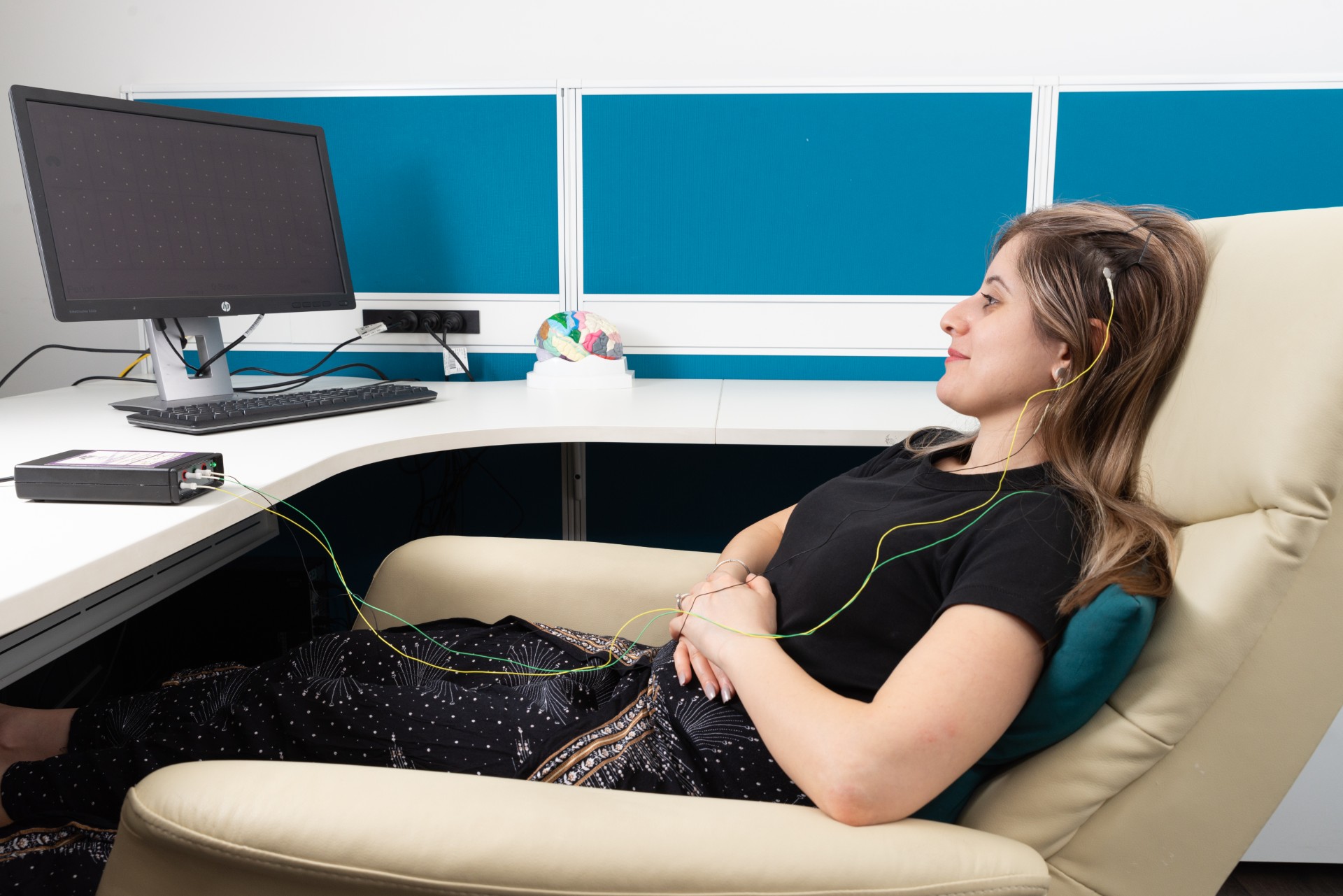
The two-day practicum is conducted in pairs, with each participant completing approximately 2–3 sessions in the role of clinician and 2–3 sessions in the role of client. This structure ensures participants gain direct, first-hand experience of receiving neurofeedback, alongside supervised experience delivering it. Clinical observations and proposed next steps are reviewed in small groups under the guidance of an experienced clinician, supporting the integration of theoretical knowledge, technical skills, and reflective clinical decision-making.
This BCIA-A accredited program qualifies as continuing professional development for practitioners across psychology and allied health.
Level of Learning
Foundational. This activity is targeted to those new to the topic.
Target audience
This activity is suitable for: PsyBA registered psychologists, social workers, general practitioners, occupational therapists, nurses, paediatricians, psychiatrists, clinical social workers, and occupational therapists.
Participants must meet the pre-requisite educational requirements of a BA/BS as a minimum in a clinical health care field or equivalent.
Duration of access
Access to the self-paced eLearning component of this activity is for 6 months.
Professional competencies for psychology
The Psychology Board of Australia (PsyBA) have updated the Professional competencies for psychology effective 1 December 2025.
This activity addresses the competencies: 1, 2 & 6.
APS CPD-Approved
This activity has been assessed against the APS Standards for CPD activities and approved for its education quality. Learn more about the APS CPD Approval process.
Learning Outcomes
Upon completion of this activity, participants should be able to:
- describe the foundational principles, basic neurophysiology and neuroanatomy involved in neurofeedback,
- explain key components of neurofeedback instrumentation and electronics,
- evaluate the research evidence supporting the efficacy of neurofeedback in clinical practice,
- discuss the psychopharmacological considerations and their impact on neurofeedback treatment, and
- assess patients/clients for neurofeedback suitability and monitor treatment progress.
Presenter(s)
Mirjana Askovic, Sejla Murdoch; Darius Rountree-Harrison, Sevilay Dogan
About the presenter(s)
Mirjana Askovic
Director of the Australian Neurofeedback Institute, Program Coordinator of STARTTS’ Neurofeedback Program, BPsych (Hons), BCN, QEEGD, FANSA Ph.D. Candidate, Discipline of Psychiatry, Sydney Medical School, University of Sydney
Mirjana is a PhD candidate with the Discipline of Psychiatry at the University of Sydney. Her research is focused on the examination of the mechanisms and efficacy of neurofeedback in reducing symptoms of PTSD in trauma affected refugees. Mirjana is a senior psychologist with 30 years of clinical experience in mental health. She is also a BCIA-A Neurofeedback Practitioner and Mentor as well as a QEEG Diplomate.
Sejla Murdoch
Deputy Director of the Australian Neurofeedback Institute, Senior Team Leader of STARTTS’ Neurofeedback Program, BScPsych, PostGrad Dip (Psych.), BCN Currently- Masters of Brain and Mind Sciences, Faculty of Medicine and Health, University of Sydney
Sejla Murdoch is a senior psychologist with 26 years of experience specializing in trauma-focused therapy. She co-developed the world’s first Neurofeedback (NF) Clinic dedicated to supporting refugee trauma survivors and has been a pioneer in integrating neuromodulation into trauma treatment. Certified in both NF and HRV Biofeedback, Sejla leads STARTTS’ NF Program as its Senior Team Leader and serves as an accredited mentor, training practitioners worldwide in these innovative techniques.
Darius Rountree-Harrison
EEG analyst, BSc, GDPA, MPhil, QEEG-T, PhD (Candidate)
Darius is ANFI’s EEG analyst responsible for EEG/QEEG reports and consultations. Darius is an accredited QEEG Technologist and is a psychology doctorate candidate, looking at HRV biomarkers for PTSD. Darius has delivered training in HRV, mentored psychologists and students to analyse QEEG/HRV data and has been involved with clinical PTSD research.
Sevilay Dogan
Psychologist, EEG Technician Bachelor of Arts, BPsych (Hons)
Sevilay is a registered psychologist trained in Cognitive Behaviour Therapy (CBT), Trauma-based CBT, Mindfulness, Motivational Interviewing and Acceptance and Commitment Therapy. She conducts psychological assessments and provides treatment for clients with different disorders including PTSD, depression, anxiety, panic disorder, OCD, OCPD and BPD.